Why You Need Vitamin B1 (Thiamine)

🌼 Don’t Let Your Body Say “Oopsy Daisy”
Sometimes life moves fast, and we forget the little things — like giving our body enough Vitamin B1. That’s an Oopsy Daisy moment your system will gently remind you of. But the good news? It’s easy to correct with the right foods and knowledge.
Let’s dive into what Vitamin B1 (thiamine) does, why it’s vital, how to recognize if you’re low, and how to get enough — naturally and safely.
What Is Vitamin B1 / Thiamine?
Vitamin B1, also called thiamine (or thiamin), is a water-soluble B vitamin. It is essential for converting carbohydrates (sugars) into energy and supporting healthy nerve, muscle, and heart function.
Unlike fat-soluble vitamins, your body doesn’t store large reserves of thiamine — so you need a steady dietary intake.
Why Do You Need Vitamin B1? What Does It Do?
Here are the key roles of thiamine:
- Energy metabolism: It helps turn carbs into energy by acting as a coenzyme in pathways like the TCA (Krebs) cycle and pentose phosphate pathway.
- Nerve function: Supports healthy nerve signaling and helps maintain the myelin sheath around nerves.
- Muscle & heart health: Needed for muscle contractions and proper heart function; deficiency can affect the cardiovascular system.
- Overall cell health: Because many enzymes depend on thiamine derivatives (e.g. thiamine diphosphate), it’s foundational in many cellular processes.
How Much Vitamin B1 Do You Need? (RDA & Safety)
RDA (Recommended Dietary Allowance):
• Women (19+): ~ 1.1 mg/day and during pregnancy/lactation: ~ 1.4 mg/day
• Men (19+): ~ 1.2 mg/day
Upper Limit / Toxicity:
There is no established Tolerable Upper Intake Level (UL) for thiamine because no reliable evidence shows adverse effects from high oral intakes. Your body excretes excess in urine.
However, rare allergic reactions have been reported when thiamine is given intravenously in very large doses.
So in practice, it’s very unlikely to overdose on thiamine via food or standard supplements.
What Foods Contain Vitamin B1?
These are excellent natural sources to include in your daily diet:
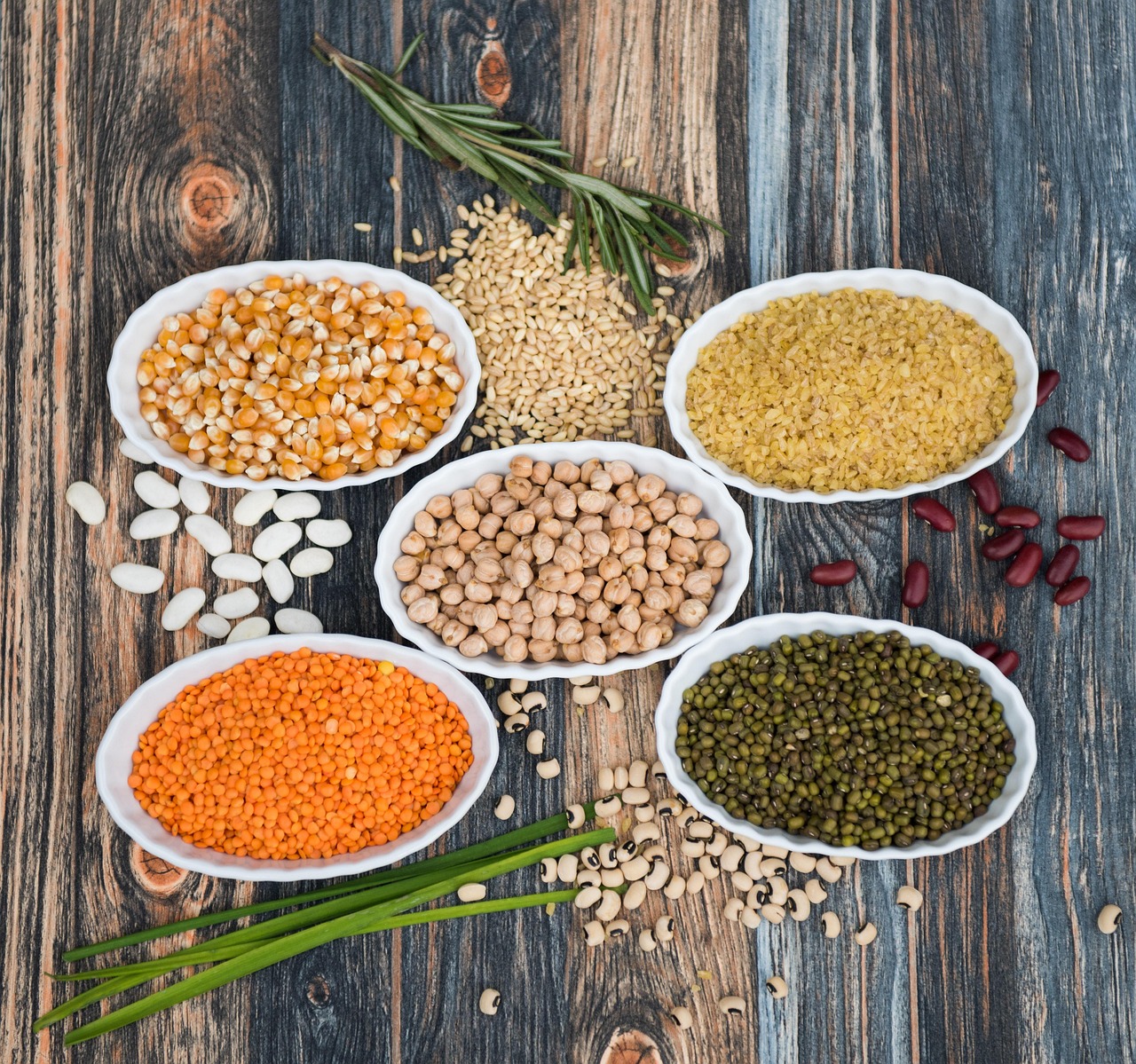
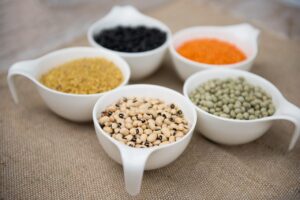
- Beans, lentils, legumes, pulses
- Green peas
- Sunflower seeds
- Yogurt
- Fish (e.g. trout, tuna)
- Whole grains & fortified grains (bread, cereals)
- Pork is often cited as a rich source
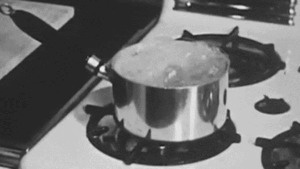
⚠️ Note: thiamine is sensitive to heat and water — so cooking, boiling, and processing can cause losses.
Therefore, eating lightly cooked or steamed and including raw sources can help preserve it.
What Is Vitamin B1 Deficiency?
- What is the deficiency called / disease?
Thiamine deficiency can lead to beriberi (dry or wet forms) and, in severe cases especially in alcohol misuse, Wernicke–Korsakoff syndrome. - What are deficiency symptoms? / what happens when you’re low?
• Fatigue & weakness
• Nerve damage: tingling, numbness, “pins and needles”
• Poor coordination, muscle weakness
• Confusion, memory issues
• Heart problems: edema, fast heartbeat, enlarged heart, congestive heart failure (wet beriberi)
• Wernicke’s symptoms: confusion, eye movement problems, ataxia (loss of motor coordination)
Dry beriberi affects the nervous system; while wet beriberi affects the cardiovascular system.
- When does symptoms appear?
If thiamine intake stops, stores deplete (in ~4 weeks), and therefore deficiency symptoms begin.
How Is Thiamine Deficiency Diagnosed?
- Lab tests: measure thiamine or its phosphorylated forms in whole blood or red blood cells
- Functional enzyme test: measure erythrocyte transketolase activation — if adding thiamine greatly increases enzyme activity, that signals deficiency.
- Clinical evaluation: look for signs like neuropathy, heart symptoms, confusion.

What Is Vitamin B1 Used For (Beyond Basic Needs)?
- In medicine, thiamine is used to treat deficiency states (beriberi, Wernicke’s encephalopathy) often in higher doses or IV in serious cases.
- It may be studied for benefits in diabetes complications, nerve health, and cognitive support (especially in older adults), but evidence is still emerging.
- Derivatives / analogues:
• Benfotiamine — a fat-soluble derivative sometimes used for diabetic neuropathy
• Allithiamine, fursultiamine, etc., which may have better absorption in some cases
Vitamin B1 & Safety: What About Overdose?
- As noted, no Tolerable Upper Intake Level (UL) is set because adverse effects haven’t reliably been documented for oral intake.
- The body excretes extra in urine.
- Rarely, allergic or hypersensitivity reactions have been recorded when thiamine is administered intravenously (not via foods).
So for typical dietary or supplement levels, toxicity is extremely unlikely.
Quick HealthyDaisy “Oopsy Daisy” Moment
Let’s be real — skipping your greens or forgetting to include legumes even a day or two can be a little Oopsy Daisy for your B1 intake. Your body won’t shut down immediately, but over time, missing it could make your nerves, heart, or energy whisper for attention.
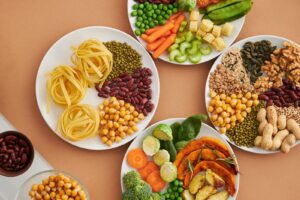
So the next time you build your meals, think rainbow + beans + whole grains — a small habit to avoid a big oops later.
Summary & Takeaway (HealthyDaisy Style)
- Why you need Vitamin B1: energy conversion, nerve health, heart support
- Where you find it: beans, lentils, pulses, green peas, sunflower seeds, yogurt, fish, whole/f ortified grains
- How much you need: ~1.1 mg for women, ~1.2 mg for men, ~1.4 mg during pregnancy
- Upper limit: none established — while excess is safely excreted in most cases
- Deficiency risk: beriberi (dry, wet), Wernicke-Korsakoff syndrome in severe cases
- Be kind to your body: include sources daily (while cooking gently) and don’t stress about small slip-ups (those Oopsy Daisy moments) — just reset and bloom again 🌼
💛 Keep Blooming with the HealthyDaisy Vitamin Series!
Your wellness journey doesn’t stop here — each vitamin plays a beautiful part in your body’s harmony. 🌼 Continue exploring the Alphabet of Vitamins to see how they all work together to help you glow from the inside out.
✨ You can go back to Vitamin A or hop ahead to Vitamin B2 (Riboflavin) to keep your wellness petals strong! 🌿