Why You Need Vitamin A

🌼 How to Avoid an “Oopsy Daisy” With Your Health
If your skin’s been dull, your eyes a little tired, or your immune system not quite as strong lately — you might be missing something simple yet powerful: Vitamin A.
And forgetting about this essential nutrient can be a bit of an Oopsy Daisy moment — but don’t worry, we can fix it naturally.

What Is Vitamin A?
It is a fat-soluble vitamin your body needs for clear vision, glowing skin, strong immunity, and proper organ function. It’s not just one compound — it’s a group of nutrients called retinoids and carotenoids that your body converts into the active form it needs.
There are two main types:
- Preformed Vitamin A Retinoids (Retinol, Retinyl Esters): Found in animal products like eggs, fish, and fortified milk.
- Provitamin A Carotenoids (like Beta-Carotene): Found in colorful plant foods — think carrots, spinach, kale, and sweet potatoes.
What Is It Derived From?
- Animal Sources: Liver, eggs, fish oils, and fortified dairy provide preformed Vitamin A (retinol).
- Plant Sources: Brightly colored veggies and fruits provide carotenoids, which your body safely converts into Vitamin A as needed.
🌿 Fun fact: There’s no set upper limit for carotenoids — your body only converts what it needs!
What Is A Vitamin Deficiency?
A vitamin deficiency happens when your body doesn’t get enough of a nutrient to support key systems. It’s more common in developing regions but can also happen if your diet lacks variety or absorption is impaired.

What Are Vitamin A Deficiency Symptoms?
Here are the top signs to watch for:
- Dry or rough skin
- Night blindness or poor low-light vision
- Weak immune system or frequent infections
- Dry eyes or corneal damage
- Brittle hair and nails
- Slower wound healing
In severe cases, deficiency can lead to xerophthalmia — a disease that can cause permanent blindness if untreated.
What Happens If You Have a Vitamin A Deficiency?
When your levels drop too low, your body struggles to repair tissues, produce healthy cells, and defend against infections. You may also notice your skin appearing dull or flaky — your body’s gentle reminder that it needs a boost. (Don’t worry, we’ve all had those Oopsy Daisy health moments.)
What Is Vitamin A Good For?
It plays a role in:
- Eye Health: Prevents night blindness and supports the cornea.
- Skin Glow: Supports cell renewal and collagen.
- Immunity: Helps produce white blood cells that fight infection.
- Growth & Reproduction: Essential for healthy development and hormone balance.
What Does It Do for the Skin?
Retinoids (Vitamin A derivatives) are often used in skincare because they:
- Speed up cell turnover
- Reduce fine lines and wrinkles
- Help treat acne
- Promote even tone and texture
So yes — It truly helps your glow from within.
What Foods Have Vitamin A?

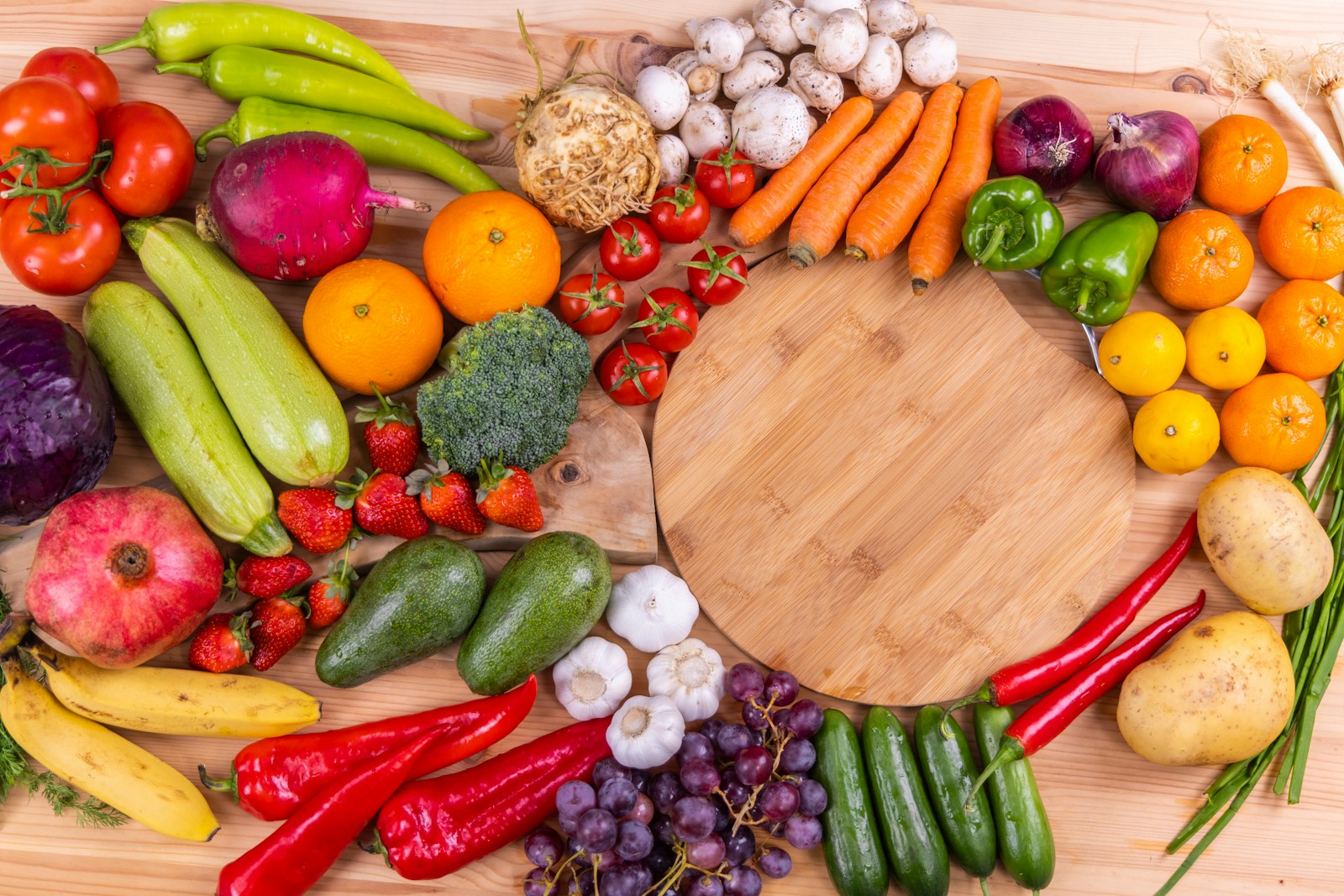
You can easily add these foods into your daily routine. Here are some delicious examples:
🥕 Plant Sources (Beta-Carotene)
- Carrots
- Sweet potatoes
- Pumpkin
- Spinach
- Kale
- Broccoli
- Tomatoes
- Red bell peppers
- Cantaloupe
- Mango
🍳 Animal Sources (Preformed Vitamin A)
- Eggs
- Liver (in moderation)
- Salmon
- Fortified milk or dairy
How Much Do You Need?

- RDA for women: 700 mcg (2,333 IU)
- RDA for men: 900 mcg (3,000 IU)
- Upper Limit (UL): 3,000 mcg of preformed Vitamin A (retinol) — too much can interfere with Vitamin D benefits and cause toxicity.
✨ HealthyDaisy tip: Choose a multivitamin that gets most of its Vitamin A from beta-carotene rather than preformed Vitamin A — it’s safer, plant-based, and your body only converts what it needs.
What Is Vitamin A Palmitate?

It is a synthetic form of preformed Vitamin A commonly added to milk and fortified foods. It helps replace Vitamin A that may be lost during processing — that’s why you’ll see it listed on nutrition labels.
What Is Vitamin A Toxicity or Overdose?

Toxicity happens when you consume too much preformed (retinol) from supplements or animal sources.
Symptoms can include:
- Nausea or dizziness
- Headaches
- Bone pain
- Dry or peeling skin
- Vision changes
Carotenoid sources, on the other hand, are safe — the worst that can happen is a harmless orange tint to your skin called carotenemia. (Your glow-up went a little too far, but it’s nothing serious!)

What Is Vitamin A Used For?
- Supporting healthy vision and immunity
- Promoting glowing, youthful skin
- Helping your body repair tissues
- Strengthening bones and reproduction health
In other words, it’s a total body multitasker.
Final Thoughts from HealthyDaisy 🌸
Your body’s asking for balance, not perfection.
Missing your vitamins is just one of those Oopsy Daisy moments we can all learn from — and easily fix with colorful, nourishing foods.
So next time you fill your plate, think of it as a rainbow of self-care:
carrots, kale, pumpkin, and a little love for your inner glow.

✨ Quick Recap:
Why you need Vitamin A:
For vision, skin, immunity, and growth
Where to get it:
Colorful fruits, leafy greens, and eggs
How to stay safe:
Focus on beta-carotene, not excess retinol
Your HealthyDaisy takeaway:
A little nutrition mindfulness today prevents an “Oopsy Daisy” tomorrow 🌼
💛 Continue Your Glow Journey with the HealthyDaisy Vitamin Series!
You’ve just learned how Vitamin A helps your body shine — but this is only the first petal in the Alphabet of Vitamins! 🌼 Keep blooming by discovering what comes next.
✨ Up next: Vitamin B1 (Thiamine) — the energy-boosting vitamin your body loves! 🌿